




How to Install a Heat Pump in an Existing Home: Complete GTA Guide
If you already have a furnace or boiler and you’re thinking about adding a heat pump, you’re right where a lot of homeowners are today. More people are choosing heat pump installation GTA-wide to cut energy bills, improve comfort, and get ready for the future of home heating in Ontario.
This guide is written for homeowners in Toronto, Markham, Mississauga, Vaughan, Richmond Hill and the rest of the Greater Toronto Area who want to know how a heat pump can be added to an existing home without ripping everything apart.
We’ll cover:
Whether your home is a good candidate
Ducted vs ductless options
How professional heat pump installation Toronto / Markham / GTA actually works
What to expect in terms of comfort, costs, and timelines
1. Why install a heat pump in an existing GTA home?
A properly designed heat pump installation GTA project can deliver:
Lower heating and cooling costs
Heat pumps move heat instead of creating it from scratch, so they can be more efficient than many older gas or electric systems, especially in spring, fall, and milder winter days.Year-round comfort from one system
The same unit that cools your home in summer can heat it in winter. You don’t have to juggle separate systems or worry about an aging AC that’s ready to fail.Quieter, more even temperatures
Modern inverter-driven heat pumps and variable-speed indoor fans run longer at low speed instead of short, loud blasts. That means fewer hot/cold swings and less noise.Future-proof heating
With efficiency standards and rebate programs moving toward lower-carbon heating, a heat pump plus your existing furnace helps you stay ahead of regulations and energy price changes.
For many homes, the best setup is dual-fuel: a heat pump does most of the work, while the furnace or boiler takes over only when it’s truly needed in deep cold.
2. Is your home suitable for heat pump installation GTA?
Most homes in the GTA can work with a heat pump, but a few factors matter.
2.1 Insulation and building envelope
Before any heat pump installation Toronto or elsewhere, a contractor should look at:
Attic/roof insulation
Exterior wall insulation (especially in older Toronto and Markham homes)
Window and door drafts
You don’t need a perfect, brand-new home, but fixing the worst air leaks and insulation gaps lets you install a smaller system that runs more efficiently and quietly.
2.2 Heating style: ducts, radiators, or no ducts
Ask yourself:
Do you have forced-air ductwork with a gas furnace?
Great candidate for a ducted heat pump installation GTA. The heat pump usually replaces the outdoor AC and shares the same ducts.
Do you have radiators, baseboards or in-floor heating?
You might keep the boiler and add ductless heat pumps for cooling and shoulder-season heating, or look at a hydronic-compatible heat pump system.
Do you have no ducts at all?
A ductless mini-split heat pump installation Toronto / Markham is often the best choice, using wall-mounted or ceiling indoor units in key rooms.
2.3 Electrical panel & outdoor space
A proper heat pump installation Markham / GTA assessment will also check:
Electrical panel capacity – Is there enough amperage and breaker space?
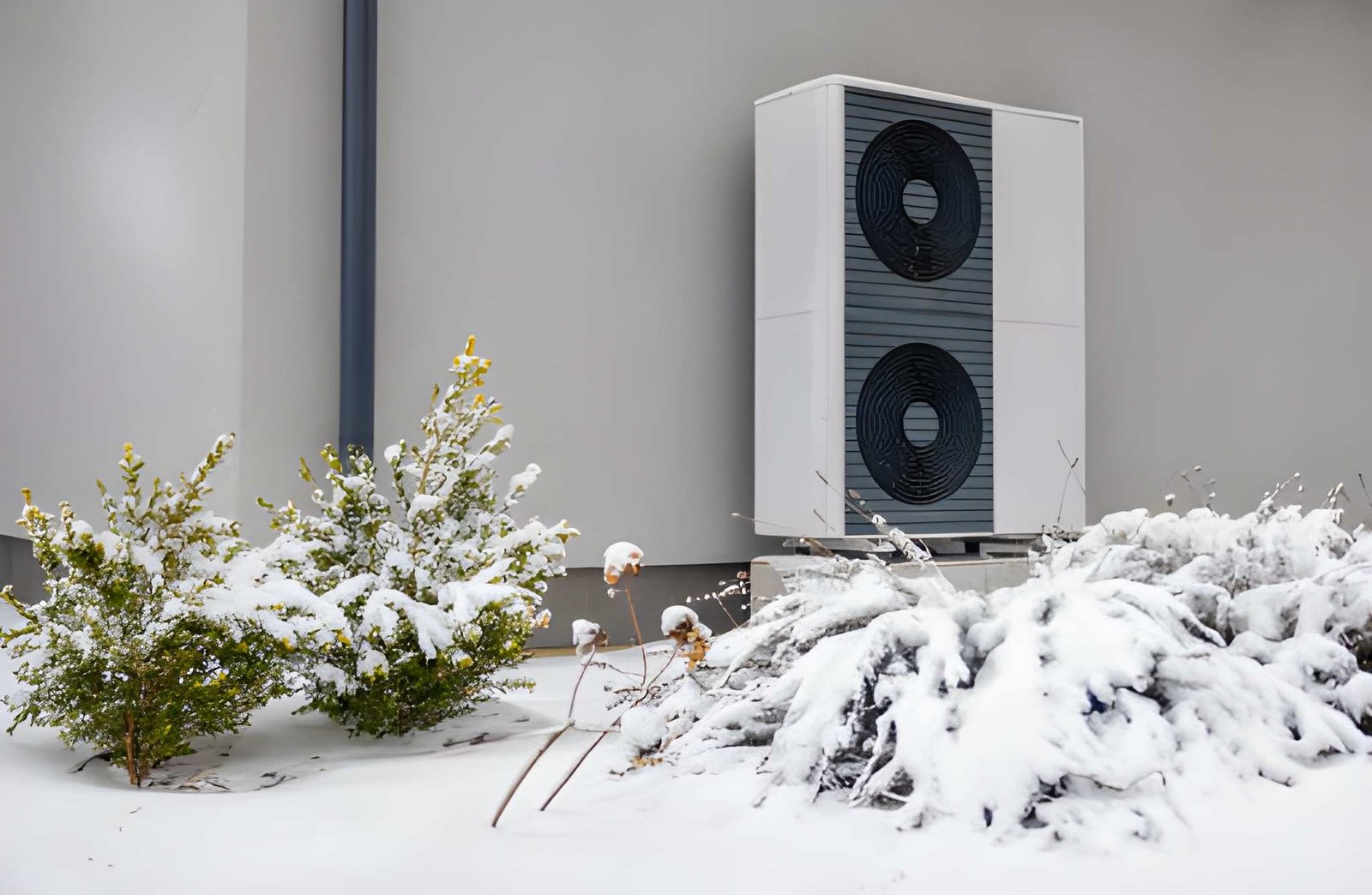
Outdoor unit location – Good airflow, away from deep snow drifts, and reasonable distance from bedrooms and neighbours.
Noise considerations – Especially important on narrow Toronto lots or townhome complexes.
3. Can you install a heat pump in an older Toronto or Markham house?
Most of the time, yes. Even 60- to 100-year-old homes can be excellent candidates for heat pump installation Toronto / Markham if you:
Size the system based on a real heat loss/heat gain calculation, not a guess
Address the worst insulation and window problems
Choose the right configuration (ducted, ductless, or hybrid)
Older homes often have quirky ductwork, tight mechanical rooms, or thick masonry walls. That’s where experience matters: a good contractor will design around those limits instead of forcing a one-size-fits-all system into place.
4. Types of heat pump systems for GTA homes
4.1 Ducted central heat pump
Best for: homes with existing furnace + central AC + usable ductwork.
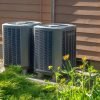
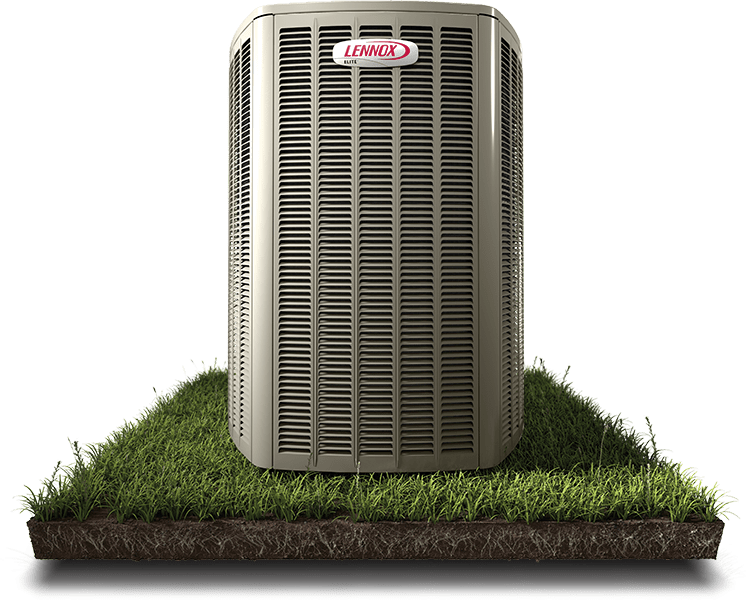
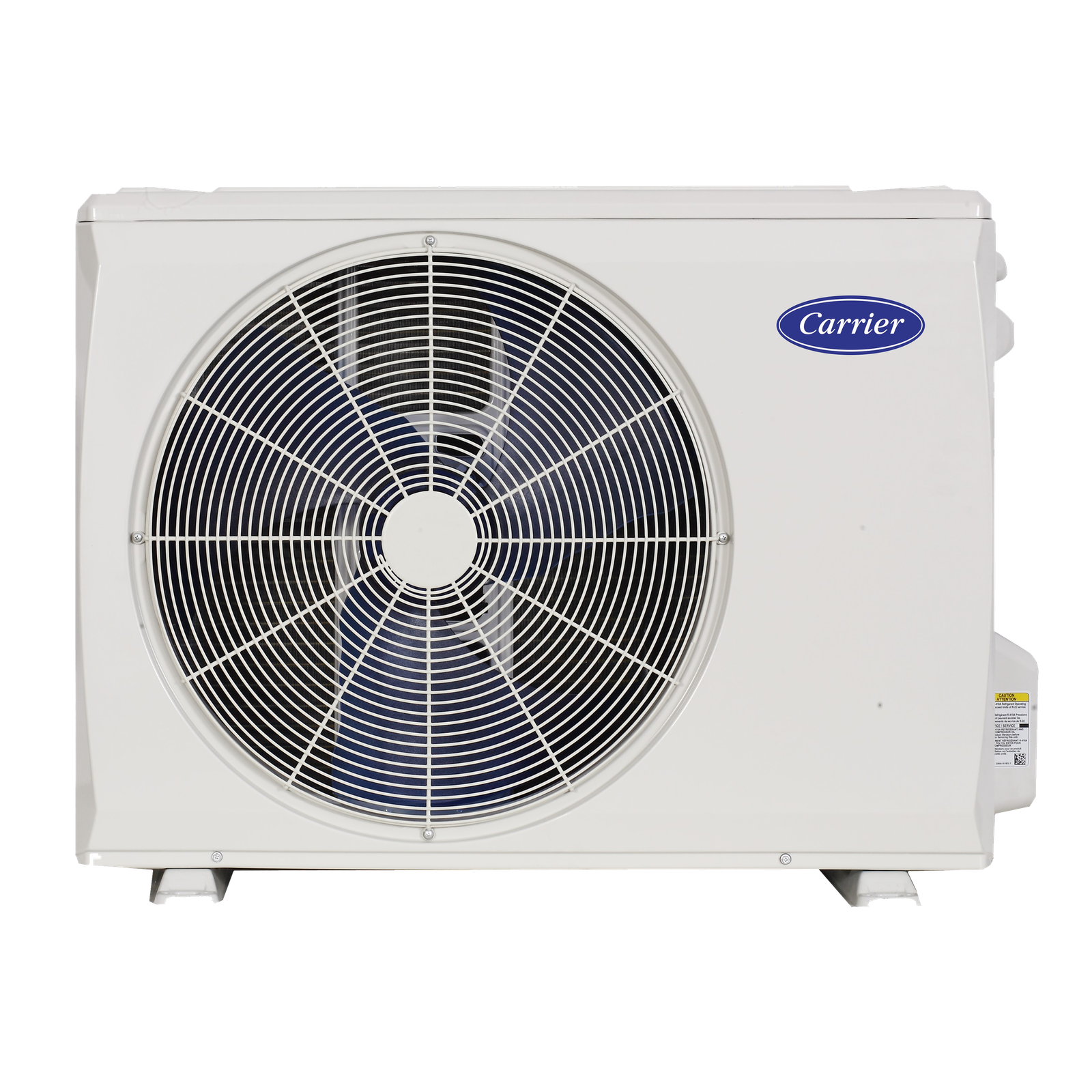
The outdoor AC is replaced with a cold-climate heat pump.
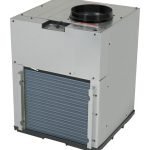
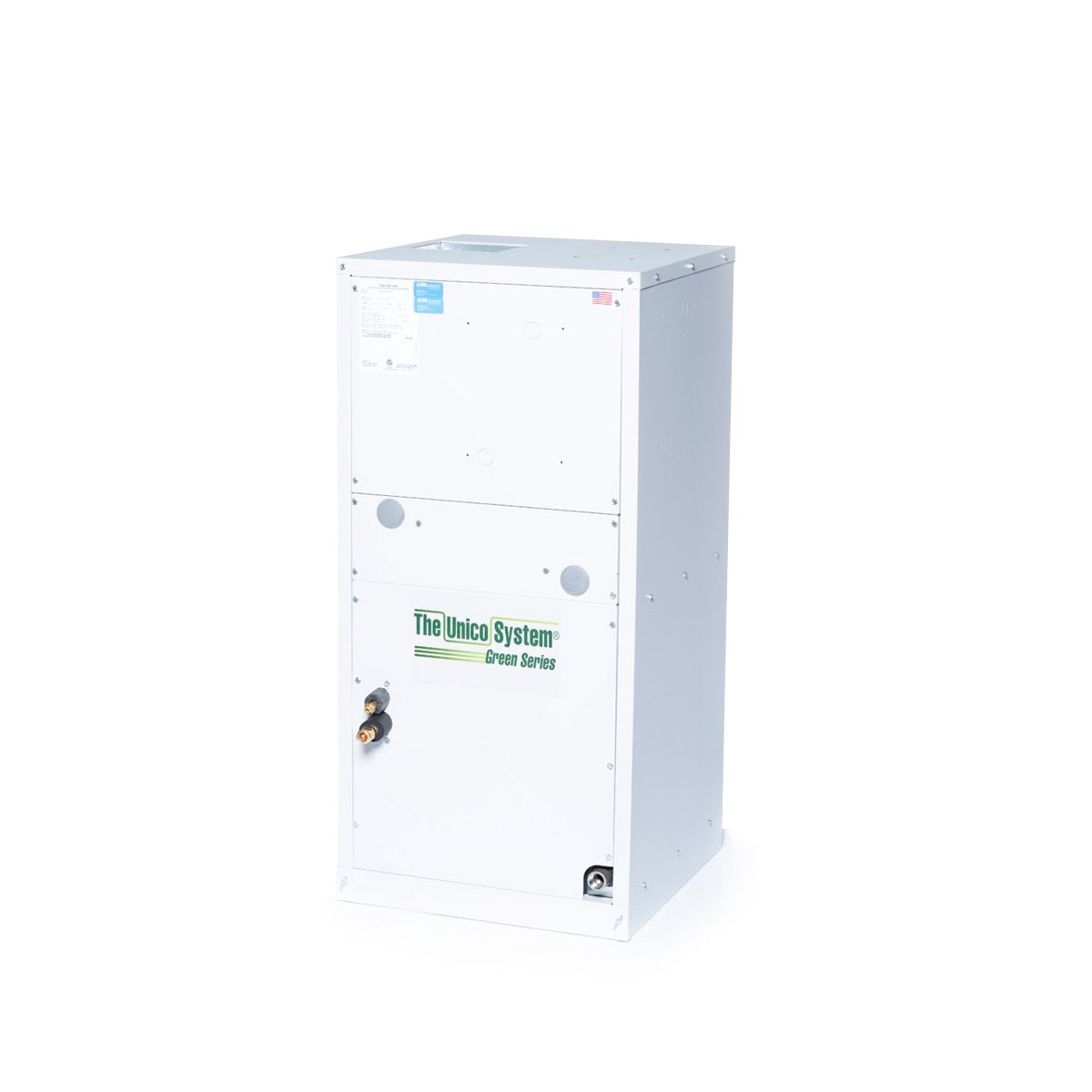
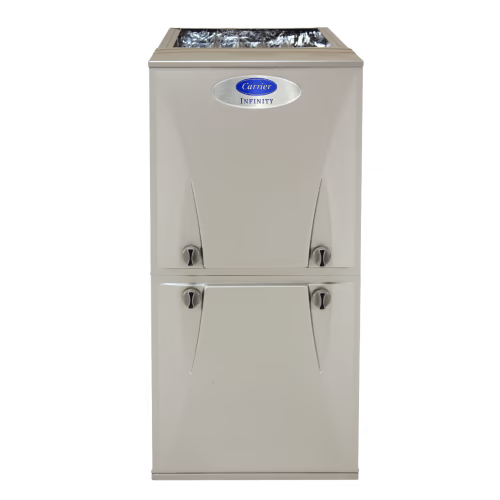
The indoor unit may be a coil above the furnace or a dedicated air handler.
Great for whole-home comfort in detached homes, semis, and many townhomes.
This is one of the most common heat pump installation GTA setups because it uses the infrastructure you already have.
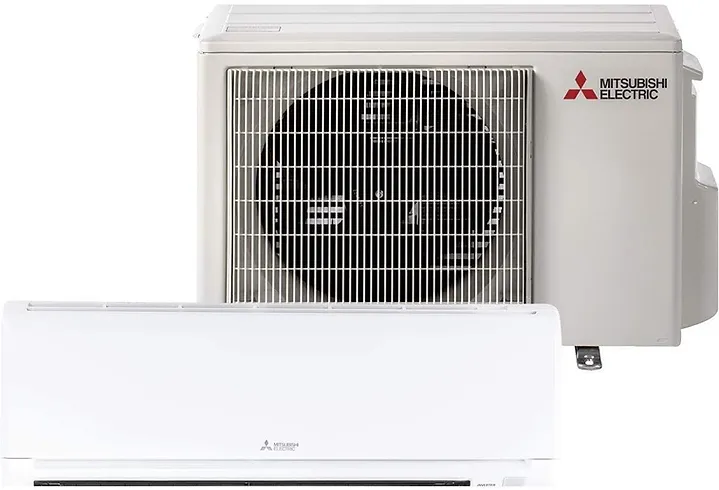
4.2 Ductless mini-split heat pump
Best for: homes without ducts or with stubborn hot/cold rooms.
One outdoor unit connects to one or more indoor heads (wall, floor, or ceiling).
Each head can have its own thermostat, giving you very precise zoning.
Perfect for finished basements, third-floor lofts, additions, or homes where running ductwork would be too invasive.
4.3 Hybrid / dual-fuel system
This is the “keep your furnace” option that’s very popular for heat pump installation Toronto and Markham:
You keep your high-efficiency gas furnace.
A central heat pump shares the ductwork with the furnace.
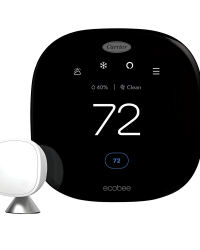
A smart thermostat is programmed so:
The heat pump covers heating down to a certain outdoor temperature (for example –10 °C or –15 °C).
Below that point, the furnace automatically takes over.
This gives you lower energy bills most of the year and the security of gas heat during extreme cold snaps.
5. Planning before the installation
A strong heat pump installation GTA project starts long before anyone shows up with tools.
Clarify your goals
Do you care more about comfort, lower bills, greener energy, or all of the above?
Are you okay keeping your furnace, or do you want a path to all-electric?
Home assessment
A professional should:Measure the home and do a heat loss/heat gain calculation
Inspect the ductwork for size, leaks, and airflow
Check electrical panel capacity and breaker space
Look at insulation, windows, and big air leaks
System design & equipment selection
Choose ducted vs ductless vs hybrid
Pick the right heat pump capacity and model for your home and climate
Plan zoning and whether to keep/add multiple thermostats
Permits & code compliance
Gas, electrical, and refrigeration work in Ontario must be done by properly licensed technicians and meet code.
Reputable companies handle permits and inspections for heat pump installation Toronto / GTA so you don’t have to chase paperwork.
6. Step-by-step: how pros install a heat pump in an existing home
This is for understanding the process, not DIY instructions. Heat pump installation must be done by licensed pros for safety and warranty protection.
Step 1 – Remove or adapt existing equipment
Shut off and safely disconnect the old AC or air handler.
Recover refrigerant correctly (it’s illegal to vent it).
Remove old outdoor unit and, if needed, the indoor coil or air handler.
Step 2 – Rough-in and prep work
Confirm or replace the refrigerant line set if size, age, or routing is not suitable.
Repair or modify ducts so airflow will match the new system.
Install or adjust the outdoor pad or wall brackets.
Complete any required electrical panel upgrades.
Step 3 – Outdoor unit installation
Set and level the outdoor heat pump unit on the pad or brackets.
Maintain clearances from walls, fences, and deck railings.
Anchor the unit and protect line sets and wiring with appropriate covers.
Step 4 – Indoor unit installation
For ducted heat pump installation GTA:
Install the new indoor coil or air handler.
Connect to the existing duct system.
Add or adjust return grilles and supply branches if airflow is unbalanced.
For ductless heat pump installation Toronto / Markham:
Mount the indoor head(s) on walls or ceilings.
Drill a small hole for lines, control wire, and drain.
Route lines neatly outside or through a garage, using line-set covers where possible.
Step 5 – Electrical and controls
Run dedicated circuits to the outdoor unit and indoor components.
Install disconnects and breakers as required.
Wire and program thermostats or smart controls.
For dual-fuel systems, set the switchover point where the furnace takes over from the heat pump.
Step 6 – Charging, testing, and commissioning
Pressure-test and evacuate the system to remove air and moisture.
Charge the exact amount of refrigerant required.
Test the system in both heating and cooling modes.
Check supply/return temperatures, airflow, and static pressure.
Confirm that defrost cycles and safety controls operate properly.
Step 7 – Homeowner orientation
Your installer should:
Show you how to use the thermostat and any apps.
Explain which outdoor temperatures use the heat pump vs furnace.
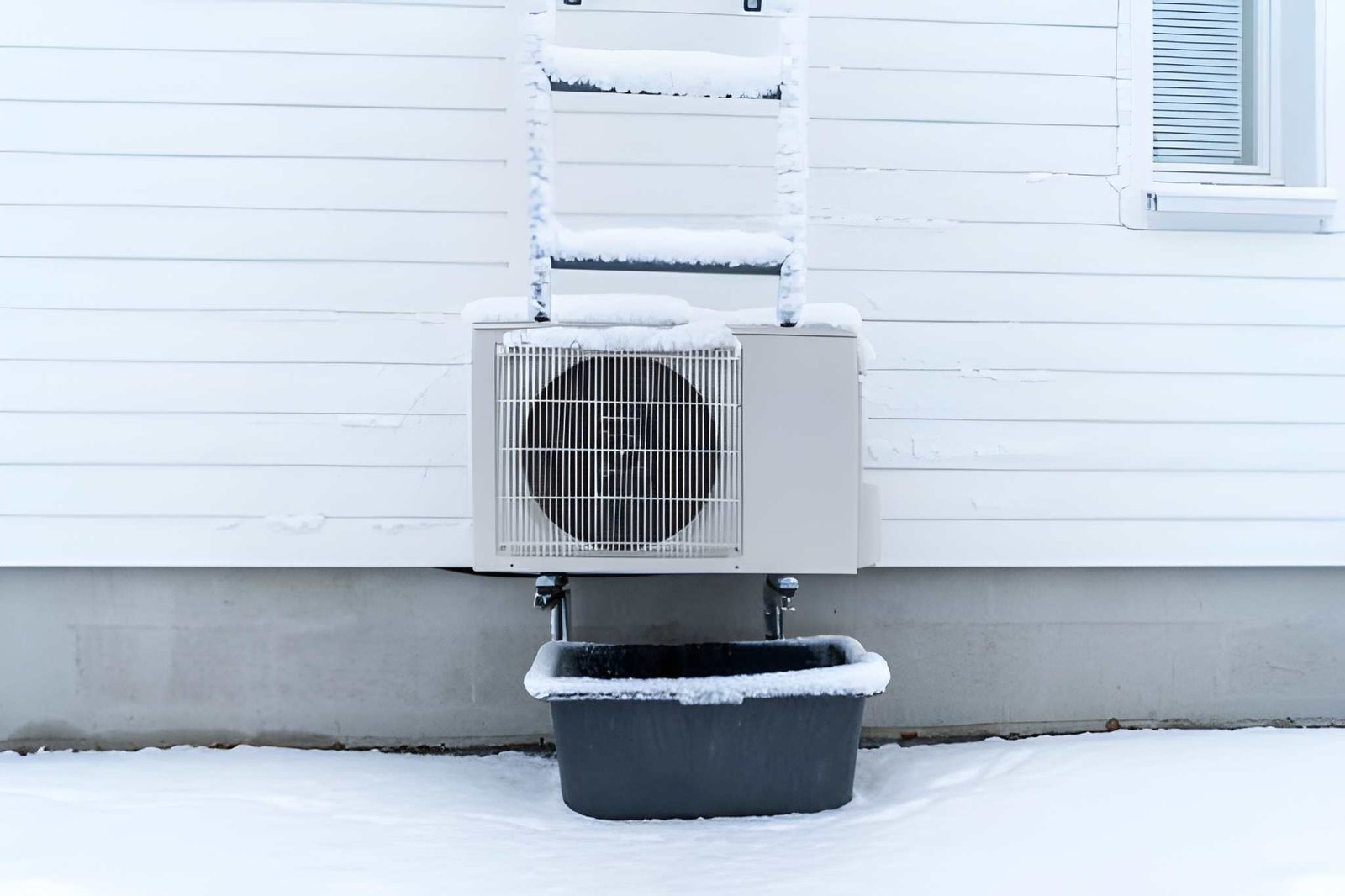
Review how often to change filters and how to keep the outdoor unit clear of snow and debris.
Answer questions about sounds, normal operation, and what to watch for over the first season.
7. Costs, rebates, and timelines – high-level expectations
Every home is different, but here’s the general picture for heat pump installation GTA:
Timelines
Straightforward ducted replacement of an AC with a heat pump: usually about one full working day.
Bigger or more complex jobs (multi-zone ductless, major duct changes, panel upgrades): about 1–2 days.
Rebates and incentives
Rebates change over time, but there are often federal, provincial, or utility incentives for cold-climate heat pumps and related upgrades.
A good contractor will help you understand current programs, choose qualifying equipment, and provide the documents needed for applications.
Operating costs
Expect reduced gas usage and more of your heating load moving to electricity.
Many homeowners see the best savings by letting the heat pump handle fall, spring, and milder winter days, with the furnace reserved for the coldest periods.
8. When to talk to a heat pump specialist in Toronto or Markham
You should reach out to a professional heat pump installation Toronto / Markham contractor if:
Your furnace or AC is 10–15+ years old or showing signs of failure.
Your home has hot and cold spots, noisy operation, or unusually high bills.
You’re planning a basement finish, addition, or attic conversion and want efficient heating and cooling from day one.
You want clear numbers on equipment options, dual-fuel strategies, and rebates before winter hits.
A company like For Saving Home Services Inc., with locations in Toronto, Markham and Mississauga, will typically:
Visit your home for a detailed assessment.
Run proper calculations and review ductwork, electrical, and building envelope.
Present a written proposal comparing a few heat pump options and configurations.
Handle permits, installation, commissioning, and post-install support.
9. Quick FAQs – heat pump installation GTA
Q1: Do I have to remove my furnace if I install a heat pump?
No. In the GTA, the most common and practical approach is hybrid (dual-fuel). You keep your gas furnace, add a heat pump, and let the system automatically choose the best heat source based on outdoor temperature.
Q2: Can a heat pump still heat my home in very cold weather?
Cold-climate heat pumps are designed to work in sub-zero temperatures and can still provide useful heat at –20 °C and below. To stay comfortable and efficient, many GTA homeowners use the heat pump for most conditions and let the furnace handle only the coldest days.
Q3: Will I need new ductwork?
Not always. If your existing ducts were sized reasonably for a furnace and AC, they can often be reused with minor modifications. Part of any good heat pump installation GTA visit is checking duct sizing, leakage, and airflow.
Q4: Is a heat pump installation a DIY project?
No. Installing a heat pump involves high-pressure refrigerant, electrical work, and safety/code requirements. In Ontario, this work must be done by properly licensed professionals to protect your warranty, safety, and insurance.
Q5: How do I start my own heat pump installation Toronto / Markham project?
Book a consultation with a reputable local contractor. Ask for:
A proper load calculation (not just “like your neighbour’s size”)
At least one cold-climate heat pump option
A clear explanation of dual-fuel settings
Help understanding rebates and financing
Once the design is agreed, most homeowners can have their new system installed and running within a day or two, with minimal disruption—and a noticeable improvement in comfort.